6 Steps to Set Up Your Directory Website for Success
Published on August 31, 2026
Starting an online directory can be an exciting opportunity to build a business around a specific industry, community, profession, or geographic area. But creating a successful directory involves more than simply putting a website online. You need to establish a strong foundation, attract businesses to your directory, create a reason for people to visit, and develop a strategy for turning your directory into a revenue-generating business.
The good news is that you don't have to build the technology from the ground up. Choosing the right directory platform can make the process significantly easier and allow you to focus on growing your business rather than managing complicated website development.
Here are six steps to help you establish your directory website and put it on the path to success.
1. Define Your Niche and Your Value
Before you start building your directory, determine exactly who you want to serve.
Your directory could focus on a particular industry, type of professional, local community, geographic region, or specialized interest. The more clearly you define your niche, the easier it becomes to determine which businesses belong in your directory and who your target audience is.
Ask yourself:• Who will use my directory?• What types of businesses or organizations should be listed?• What information will visitors be looking for?• Why would someone use my directory instead of a general search engine?• Why would a business want to be listed?• What will make my directory different from other options?Your answers form the foundation of your directory business. You need to provide value to both sides of the marketplace: the people searching for businesses and the businesses that want to reach those people.
Once you have a clear niche and value proposition, you're ready to start building. 2. Choose the Right Platform and Establish Your Website
The technology behind your directory is an important part of getting started. While you could attempt to build a directory website from scratch, doing so can require significant time, technical knowledge, and ongoing development.
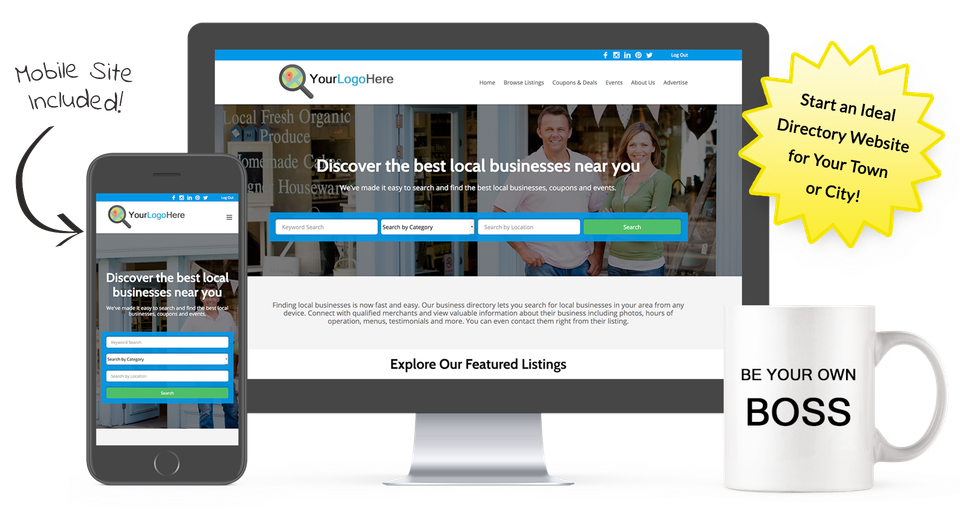
Using a dedicated directory platform such as Ideal Directories gives you a foundation specifically designed for building and operating an online directory. Instead of starting with a blank website and trying to figure out how to create directory listings, categories, membership options, payments, and other functionality, you can use a platform built around the needs of directory owners.
This allows you to concentrate on establishing your niche, branding your website, adding businesses, and developing your marketing and sales strategy.
Your website should also have a professional look and feel. Start with a recognizable logo and consistent branding, and make sure visitors can easily search your directory and navigate between categories and listings.
Remember, you don't need to wait until every detail is perfect. Your goal is to establish a professional foundation that you can continue improving as your directory grows.
3. Populate Your Directory
One of the biggest challenges facing a new directory is an empty website.
If someone visits your directory and finds only a few businesses, they may question whether the site is active or valuable. That's why one of the first things you should do is begin building your directory's inventory of businesses.
A great way to get started is by adding free listings.
Identify businesses that fit your niche and add them to the appropriate categories. Give them a useful basic listing and work toward building a directory that looks active and provides value to visitors.
This strategy has another important benefit: your free listings can become future paying customers.
Once businesses are listed, you can contact them to let them know about their listing and introduce them to the benefits of upgrading. As your directory develops, you can offer premium or featured listings that provide additional visibility, information, promotional opportunities, or other benefits.
Think of your free listings as more than content. They are also the beginning of your sales pipeline. 4. Connect Your Payment System and Plan Your Monetization
Once your website and listings are taking shape, make sure you're prepared to accept payments.
Connecting your Stripe account allows you to establish a convenient way for businesses to purchase paid listings, memberships, upgrades, or other offerings directly through your website.
Before you start selling, decide what your directory will offer and what businesses will pay for.
Depending on your niche, you might monetize through:• Premium directory listings• Featured listings• Membership plans• Advertising (Banner Ads)• Sponsored placements• Enhanced business profiles• Other promotional opportunitiesWith a platform like Ideal Directories, you can build your monetization strategy into your directory rather than trying to assemble multiple systems yourself. This makes it easier to turn your website into a functioning business. 5. Create Clear and Affordable Pricing
Once you've determined how you want to make money, establish pricing that is easy for businesses to understand.
You don't necessarily need a complicated pricing structure. In fact, keeping things simple can make it easier for a prospective customer to decide which option is right for them.
You could offer a free basic listing and then provide one or more paid options with additional benefits.
For example, a paid listing might provide greater visibility, additional photos or information, enhanced placement, or other promotional features.
Whatever your plans include, make the differences between them clear. A business owner should quickly understand what they receive by upgrading.
Your pricing can also evolve.
A brand-new directory may want to offer an introductory price or special offer while it builds its audience and establishes credibility. As traffic, listings, and membership increase, you can reassess your pricing based on the value your directory provides. 6. Develop a Sales and Marketing Strategy
Launching your directory is only the beginning. If you want to turn it into a business, you need a plan for attracting paying customers.
Your free listings give you an excellent place to start.
Reach out to businesses you've already added and let them know about their listing. Explain what the directory is, who it serves, and how upgrading could give them additional exposure.
At the same time, build a list of businesses that aren't yet included in your directory and begin prospecting.
Depending on your niche, your sales strategy could include:• Email outreach• Phone calls• Social media• Local networking• Industry events• Partnerships• Referrals• Direct outreach to prospective membersDon't underestimate the importance of follow-up. A business may not be ready to purchase the first time you contact them. Consistent communication can turn an initial conversation into a future customer.
Most importantly, don't simply wait for businesses to discover your directory.
Go out and find the businesses you want to see succeed on it.
As your directory grows, your existing members can also become an important source of referrals, testimonials, and success stories. Stay Committed and Continue Growing
Establishing your directory website is not a one-time project. The most successful directory businesses are continually being developed, promoted, and improved.
Keep adding relevant businesses. Continue reaching out to potential members. Work on your search engine visibility. Publish useful content. Promote your existing members. Look at how visitors are using your website and listen to feedback from businesses.
You should also be willing to test different approaches.
Maybe a different pricing structure works better. Perhaps featured listings are more appealing than you expected. Maybe one particular marketing channel generates better prospects than another.
Give yourself room to experiment and learn.
Most importantly, don't become discouraged if your directory doesn't grow overnight. Building a valuable directory takes time. Every new listing, visitor, member, and customer contributes to the foundation you're building.Start Today and Set Up Your Directory for Success You don't need to have everything figured out before you get started. What you need is a clear niche, the right platform, and a commitment to keep building.
With Ideal Directories, you have the tools to establish your directory website and start turning your idea into a real business. Add your first free listings, build your audience, connect with businesses, and begin creating opportunities to generate revenue.
Your directory doesn't have to stay an idea. Start building it today—and see where it can take you!